 Peach & Pepper Table
Collard Greens Without Meat: A Bright Braised Version
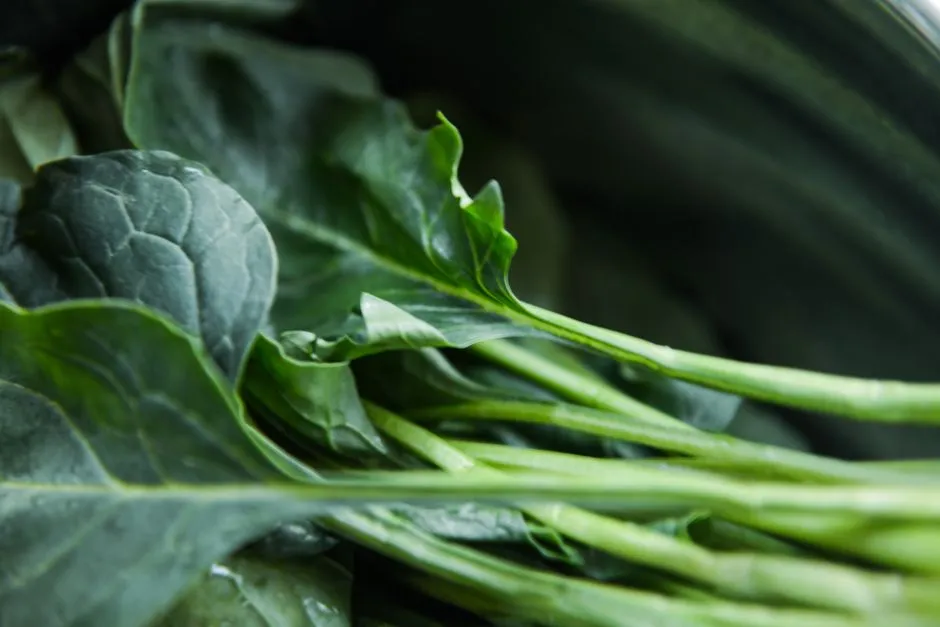
These collards build depth without pretending to be pork
This meat-free braise uses onion, garlic, vegetable stock, smoked paprika, and cider vinegar for savory, smoky, bright flavor. It is one practical Southern-style version, not a replacement for every pot of collards or a claim that meat-based traditions need correcting.
The recipe makes six side servings and leaves enough pot liquor for cornbread negotiations.
Ingredients
- 2 pounds fresh collard greens, before trimming
- 2 tablespoons olive oil or another neutral cooking oil
- 1 medium yellow onion, finely chopped, about 1 1/2 cups
- 4 garlic cloves, thinly sliced
- 1 teaspoon smoked paprika
- 1/4 teaspoon red-pepper flakes, plus more to taste
- 2 cups low-sodium vegetable stock or water
- 3/4 teaspoon fine salt, plus more to taste
- 1/2 teaspoon black pepper
- 2 tablespoons apple cider vinegar, divided
- 1 teaspoon brown sugar, optional
Packaged stock and spice blends can contain allergens or animal-derived ingredients. Read labels according to the table's needs.
Wash first; collards have geography attached
Fill a clean sink or large basin with cool water. Separate the leaves and swish them thoroughly, then lift them out so grit stays behind. Repeat with fresh water until no grit remains. Do not pour sandy water back over the leaves in a triumphant final rinse.
Fold each leaf along its central stem and cut or tear the thick stem away. Stack several leaves, roll them loosely, and slice into ribbons about 1 inch wide. Cut very long ribbons crosswise so they are manageable on a fork.
The stems are edible when chopped finely and cooked longer, but this short method removes them for more even timing.
Build the aromatic base
Heat the oil in a large heavy pot over medium heat. Add the onion and cook for 7 to 9 minutes, stirring occasionally, until soft with golden edges.
Add the garlic, smoked paprika, and red-pepper flakes. Stir for about 30 seconds, just until fragrant. Ground paprika can scorch, so have the stock ready rather than leaving the pot while searching for a measuring cup.
Add the collards by handfuls, turning each addition until it wilts enough to make room for the next. Tongs are useful. The original mountain will become a reasonable pot; this is the vegetable's most theatrical moment.
Braise until tender, then adjust
Pour in the stock or water. Add the salt, black pepper, and 1 tablespoon vinegar. Bring to a simmer, then reduce heat to maintain a gentle bubble. Cover and cook for 30 minutes, stirring every 10 minutes.
Taste a ribbon. Continue covered for another 5 to 10 minutes if it remains tougher than you like. Mature leaves and wider cuts may take longer, while young collards can finish sooner. Add a small splash of hot water if the pot dries before the greens are tender.
When the texture is right, uncover. If there is more liquid than desired, simmer for a few minutes; do not boil the greens into submission simply to evaporate stock.
Stir in the remaining 1 tablespoon vinegar. Taste for salt, heat, and acidity. If the greens seem sharply bitter after they are fully cooked and seasoned, add the optional 1 teaspoon brown sugar. It should round the edges, not announce dessert.
Serve the pot liquor too
Spoon the collards into a warm bowl with enough cooking liquid to keep them juicy. Serve with cast-iron skillet cornbread for dipping, or alongside beans, roast vegetables, chicken, fish, or another main that fits the meal.
For extra savoriness, sauté chopped mushrooms with the onion. For more heat, add pepper flakes at the table. For less smoke, omit the smoked paprika rather than doubling another spice to compensate.
The vegetable sides collection lets vegetables taste like themselves. Meat-free does not need to mean flavor-free, and smoked paprika does not need a fake mustache and a pork résumé.
Cool leftovers promptly and refrigerate in clean, covered containers according to current local food-safety guidance. Reheat until thoroughly hot. The flavor often settles agreeably overnight, while the acidity may need a tiny fresh adjustment after reheating.
Frequently asked questions
How do you remove bitterness from collard greens?
Clean the leaves well, remove tough stems, braise until appropriately tender, and balance the finished pot with salt and acidity. A small amount of sugar can soften a harsh edge, but add it only after tasting. Some pleasant bitterness is part of the vegetable. The goal is balance, not making collards apply for a job as dessert.
How long do collard greens take to cook?
Thinly sliced collards in this covered braise usually become tender in 30 to 40 minutes after the liquid is added. Mature leaves or wider ribbons may need longer; young leaves may finish sooner. Check every 10 minutes near the end. Texture preference varies, so stop when the leaves are tender but still feel like leaves to you.
Can I use water instead of vegetable stock?
Yes. Water gives you complete control over seasoning and avoids unexpected stock ingredients, though the result may need more aromatics, salt, or spice. If using packaged stock, check sodium, allergens, and whether it fits vegetarian or vegan needs. Start with less added salt because reducing liquid concentrates whatever the stock brought to the pot.
What can replace smoked meat in collard greens?
Build depth with browned onion, garlic, black pepper, red-pepper flakes, smoked paprika, mushrooms, or a suitable savory stock. Each changes the dish differently, and none needs to impersonate meat. A little vinegar at the end sharpens the whole pot. Check packaged seasonings for allergens and animal-derived ingredients when dietary boundaries matter.
Can cooked collard greens be frozen?
Yes. Cool the greens promptly, portion them with some cooking liquid into freezer-suitable containers, leave appropriate expansion space, label, and freeze. Thaw safely and reheat until thoroughly hot. Texture will be softer after freezing, which suits many braised-green dishes. Discard leftovers when storage time or temperature history is uncertain rather than conducting a freezer archaeology seminar.