 Peach & Pepper Table
Cast-Iron Skillet Cornbread with Crisp Edges
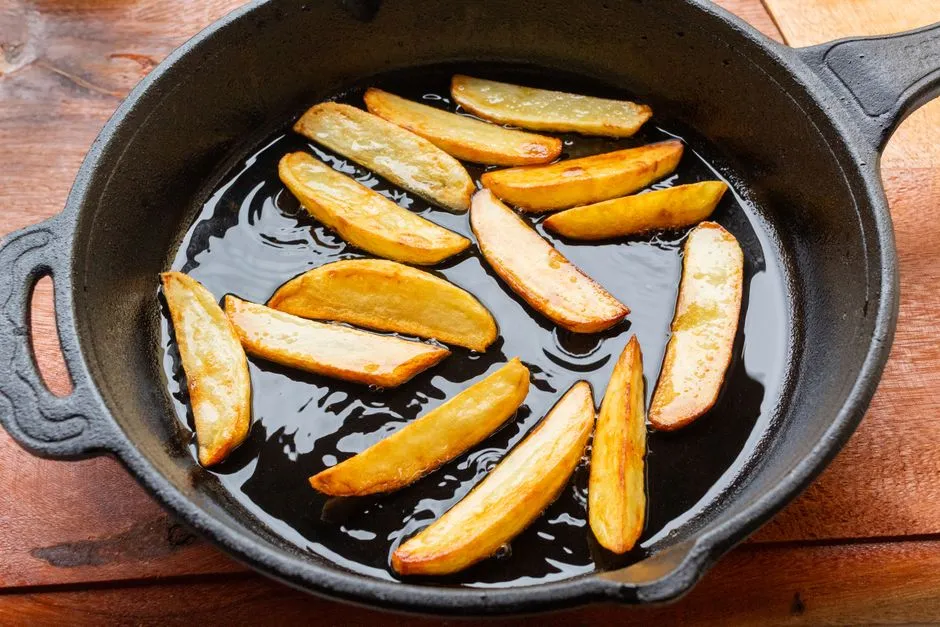
A hot skillet builds the crust before the oven settles in
This buttermilk cornbread uses a 10-inch cast-iron skillet and no added sugar. That describes this recipe, not every Southern cornbread. Sweetness, cornmeal, flour, fat, and texture vary across regions, families, and cooks, and no single pan gets to issue passports.
The formula makes eight wedges with a crisp buttered edge and tender, corn-forward center. Its restrained leavening gives a deliberately corn-forward, moderately dense crumb rather than a tall, cakey rise.
Ingredients
- 1 1/2 cups plain yellow or white cornmeal
- 1/2 cup all-purpose flour
- 1 teaspoon baking powder
- 1/2 teaspoon baking soda
- 3/4 teaspoon fine salt
- 1 1/2 cups well-shaken buttermilk
- 2 large eggs
- 4 tablespoons unsalted butter, divided
Wheat, dairy, and eggs are common allergens. Check each label and prevent cross-contact for the people eating.
Heat the skillet safely
Place a 10-inch oven-safe cast-iron skillet in the oven and heat to 425°F (220°C). Let the skillet preheat for about 10 minutes after the oven reaches temperature.
Meanwhile, melt 2 tablespoons butter and let it cool slightly. Keep the remaining 2 tablespoons cold for the skillet.
Confirm the pan and handle are rated for the oven. Use dry oven mitts whenever touching them and leave a visible mitt over the handle after baking. Cast iron does not cool merely because the cornbread looks approachable.
Mix dry and wet ingredients separately
Whisk the cornmeal, flour, baking powder, baking soda, and salt in a large bowl. Break up any lumps and distribute the leaveners thoroughly.
In a second bowl, whisk the buttermilk, eggs, and melted 2 tablespoons butter until even. Pour wet into dry and fold just until no dry flour remains. Small lumps are fine. Aggressive mixing develops more gluten and can make the crumb tougher.
The batter should be thick but pourable. Cornmeal and flour absorb differently, so let it stand for two minutes before judging. Do not add a large splash of liquid to rescue what may simply be hydrating.
Pour into hot butter
Carefully remove the skillet. Add the remaining 2 tablespoons butter and swirl with a protected hand until melted and coating the bottom and lower sides. If the butter begins burning, let the pan cool slightly and replace it rather than making scorched dairy the opening flavor.
Pour the batter into the skillet; it should sizzle at the edge. Smooth the top quickly and return the pan to the oven.
Bake for 18 to 22 minutes. The top should be golden, the edge should pull slightly from the pan, and a toothpick inserted in the center should emerge without wet batter. A few moist crumbs are acceptable.
If your pan is dark or the oven runs hot, check at 16 minutes. The timer provides an introduction; the center supplies the answer.
Rest briefly, then turn out
Cool in the skillet for five minutes before cutting; an immediate cut releases more steam and can compress the tender center. Run a thin knife around the edge if needed, then carefully invert onto a rack or slide the cornbread onto a board. For a softer crust, leave it in the skillet slightly longer; trapped steam will temper the crunch.
Cut into eight wedges. Serve warm with butter, honey if your table enjoys it, or beside our collard greens without meat. The greens' vinegar and the cornbread's richness make an excellent little treaty.
For the cleanest wedges, use a serrated knife and a gentle sawing motion. Cutting immediately releases more steam and can compress the tender center, so give the five-minute rest its small moment of glory.
The breads and biscuits collection treats pan size as an ingredient. An 8-inch skillet makes deeper batter that needs more time; a 12-inch skillet spreads it thin and cooks faster. Adjusting the clock without mentioning the geometry is how recipes develop rumors.
Cool leftovers promptly. For a conservative leftovers rule, refrigerate within two hours—within one hour when the air temperature is above 90°F (32°C)—and use within three to four days, following current USDA leftovers guidance. Freeze for longer storage. Reheat wedges in a moderate oven or dry skillet for renewed edges; a microwave gives a softer crust.
Frequently asked questions
Why preheat the skillet for cornbread?
A hot, buttered skillet begins setting and browning the batter as soon as it is poured, producing a crisper edge than a cold pan. Preheat only cookware rated for the oven, use dry oven mitts, and keep the handle turned safely. The skillet remains hot after baking, even when it looks perfectly innocent on the stovetop.
Can I make this cornbread without buttermilk?
You can use another acidic dairy or suitable nondairy mixture, but thickness, flavor, allergens, and leavening response may change. Do not replace buttermilk with plain water and expect the same baking-soda reaction. For a dependable substitution, use a tested equivalent designed for baking and keep the total liquid close to the recipe before assessing batter consistency.
Does Southern cornbread contain sugar?
Southern cornbread is not one recipe, and sweetness varies by region, household, cornmeal, and cook. This version contains no added sugar, but that is a scope choice rather than a ruling. If adding sugar, recognize that it changes flavor and browning. The pan will accept either version without requesting documentation from the cornbread authorities.
Can I use a different skillet size?
Yes, but batter depth and bake time change. A smaller skillet makes thicker cornbread that usually needs longer; a larger skillet makes it thinner and can finish sooner. Use oven-safe cookware with enough capacity, begin checking early, and rely on a golden surface and clean center test. Do not overfill a smaller pan.
How should leftover cornbread be stored?
Cool leftover cornbread promptly. For a conservative leftovers rule, refrigerate it within two hours, or within one hour when the air temperature is above 90°F (32°C), and use within three to four days; follow current local guidance if it is stricter. Freeze suitable wrapped portions for longer storage. Discard cornbread with mold, off odor, pest exposure, or uncertain time and temperature history.